
How to Work Safely in a Biological Safety Cabinet
Biological Safety Cabinets (BSCs), also known as Microbiological Safety Cabinets (MSCs) or Biosafety Cabinets, are essential for anyone working with potentially hazardous or sensitive biological materials. These cabinets use high-efficiency particulate air (HEPA) filtration to create a safe, controlled clean air environment that protects the user, the samples, and the surrounding workspace from contamination.
Whether handling pathogens, pharmaceuticals, or performing sterile tasks in research, diagnostics, or food quality control, BSCs are essential for maintaining sterility and preventing cross-contamination. They’re also widely used in educational and training settings, providing a secure environment for learning and discovery.

Understanding Biological Safety Cabinets
Biological Safety Cabinets are divided into three classes, each designed to deliver a specific level of personnel, product, and environmental protection:
- Class I: Protects the operator but does not protect the sample inside.
- Class II: Provides protection for the operator and the sample.
- Class III: A fully enclosed workspace offering the highest level of containment.
The selection of a cabinet class depends on your specific application and biosafety requirements. At CAS, we also offer hybrid cabinet designs that combine the benefits of multiple classes to provide versatility across diverse workflows.

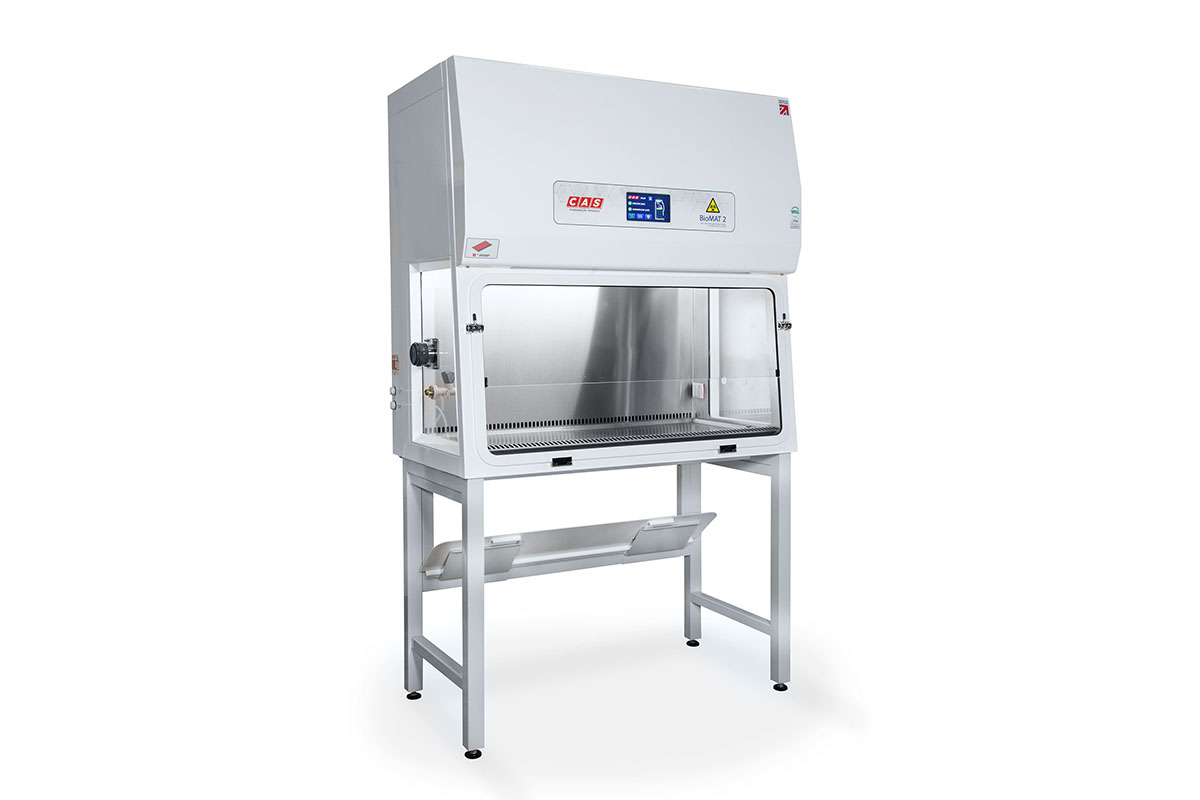
Biological Safety Cabinet v Laminar Flow Cabinet
It’s important to differentiate between a Biological Safety Cabinet and a Laminar Flow Cabinet:
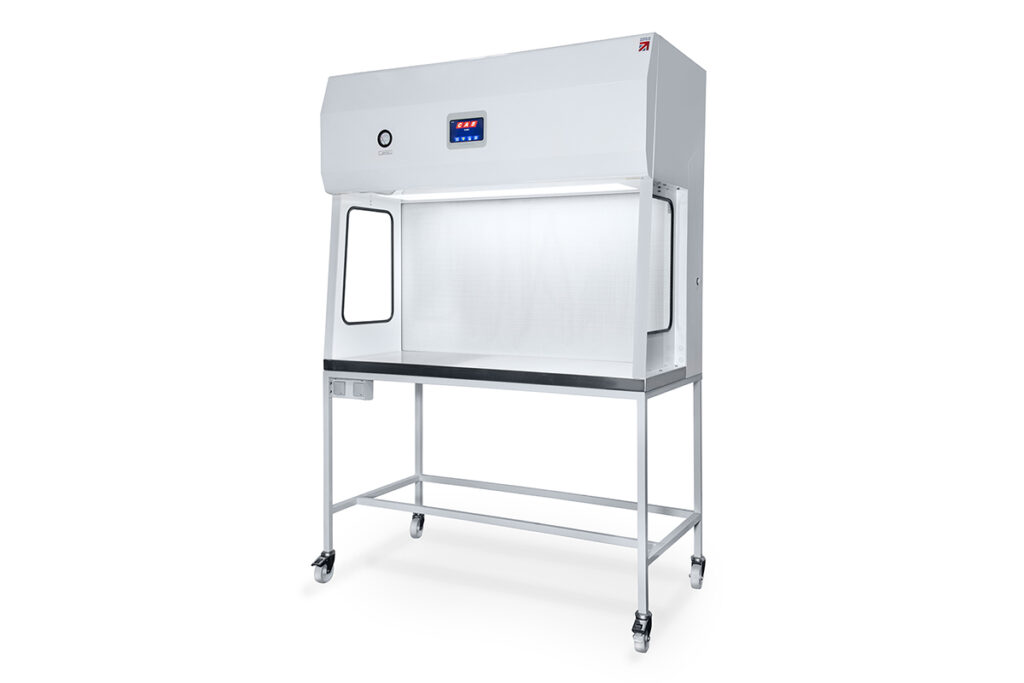
- Laminar flow cabinets protect the sample from contamination by delivering unidirectional airflow, but do not protect the user from hazardous substances.
These should only be used for non-hazardous sterile applications where sample protection is the priority.
- Biological safety cabinets offer user and sample protection (type dependant) and are designed for work involving hazardous or infectious agents.

Ensuring you have the correct cabinet for your application is essential for compliance and safety.
For further information on Biological Safety Cabinets types and functions, check out our Biological Safety Cabinets Explained article here.
Safety Guidelines for Working in a Biological Safety Cabinet
Pre-Use Preparations
Before beginning any work in a Biological Safety Cabinet (BSC), a number of essential steps must be completed to ensure user safety and maintain the integrity of the controlled environment:
- Wear appropriate Personal Protective Equipment (PPE)
Follow the PPE requirements outlined in your risk assessment. This typically includes a lab coat, gloves, and, where necessary, safety goggles or a face shield to minimise exposure to hazardous substances.
- Confirm the cabinet is safe to use
Ensure the BSC is free from previous work, and that it was properly decontaminated after its last use. The workspace should be visibly clean and ready for operation.
- Verify certification status
The cabinet must be certified at least annually, and every 6 months if used within a Category 3 containment laboratory. Check the service label or certification documentation before use.
- Conduct a visual inspection
Carefully inspect the cabinet for any signs of physical damage, paying particular attention to the sash, seals, and any visible components of the HEPA filters.
- Decontaminate all interior surfaces
Use the disinfectant specified in your site-specific SOP. If using bleach or hypochlorite-based agents, follow with a rinse using sterile water or 70% ethanol to prevent corrosion of the stainless steel surfaces.
- Prepare and organise materials
Gather all necessary tools and supplies in advance. Decontaminate any items to be placed inside the BSC, and arrange them to minimise unnecessary movement or airflow disruption during work.
- Switch on the airflow
This must be done by trained personnel. Do not activate airflow if fumigation is ongoing or if a fitted sash door is closed and interlocked.
- Allow the cabinet to run for a minimum of 5 minutes
This purges the interior of any residual contaminants, ensuring a clean and stable airflow before work begins.
- Do not operate if an alarm is sounding
If the cabinet alarm is active, stop and report the issue immediately. Alarms may indicate airflow disruption or filter integrity issues that compromise safety.
Working in the Biological Safety Cabinet
Now that the necessary preparations and checks have been put in place to ensure safe use of the BSC, work can begin.
It’s important to note that no toxic, flammable, or explosive substances should be used inside the cabinet. Bunsen burners should not be used as they can impact the airflow within the cabinet, compromising its efficiency.
Grilles should be kept clear at all times to ensure efficient airflow is maintained.
Only one operator should be seated with their face in front of the glass sash and their arms at 90° to the work surface.
They should consider the following as they work:
- Minimise movements, working slowly and deliberately. Excessive hand movements disrupt airflow, increasing contamination risk. Work in a controlled manner, reducing movement in and out of the cabinet as much as possible.
- Work from clean to dirty. Organise the workspace so that all clean materials are on one side and all contaminated materials, including biological waste and sharps containers, are placed on the other, with a designated working area in between.
- Work as deep into the cabinet as possible. This further ensures that the operator is not exposed to contaminated air. Take care not to block the grille.
Decontamination and Shut Down Procedures
Once work is complete, all waste should be sealed within the BSC and disposed of according to the appropriate SOP and risk assessment. The inside of the cabinet should be disinfected using the same procedure used at start-up.
The BSC should be left running for a few minutes to ensure that any remaining contaminants are purged from the space.
PPE can be safely removed, and hands washed thoroughly.
Additional Considerations
To support both safety and user comfort, additional ergonomic features such as armrests or footrests may be required—particularly during prolonged periods of work. These simple additions can significantly reduce strain and support operator wellbeing.
At Contained Air Solutions, we offer a range of bespoke integrations to enhance the functionality and usability of our Biological Safety Cabinets. This includes custom-designed storage solutions, height-adjustable support stands, and a wide array of accessories tailored to the specific needs of each user and application.
Safety-enhancing features such as machine guards for moving components, emergency stop buttons, and uninterrupted power supply (UPS) systems can all be integrated to meet site-specific risk requirements. Touchscreen controls, visual and audible alerts, and real-time monitoring systems further improve usability and operational awareness.
To enhance energy efficiency and reduce environmental impact, our cabinets are configured with fans featuring variable speed controls—optimised to maintain airflow performance while extending filter life. In addition, cost-effective, energy-efficient LED lighting ensures a well-lit workspace while contributing to lower running costs and sustainability goals.
Bespoke Biological Safety Cabinets to Suit Your Needs
Whether you need a bespoke design tailored to your specific workflows, applications, and protocols or an off-the-shelf model for a quicker turnaround, we offer Biological Safety Cabinets in a variety of versatile configurations to suit any requirement. We are committed to delivering products that enhance your safety and ensure the success of your studies.
To find out more, contact a member of the Contained Air Solutions team today!
Other Latest Resources
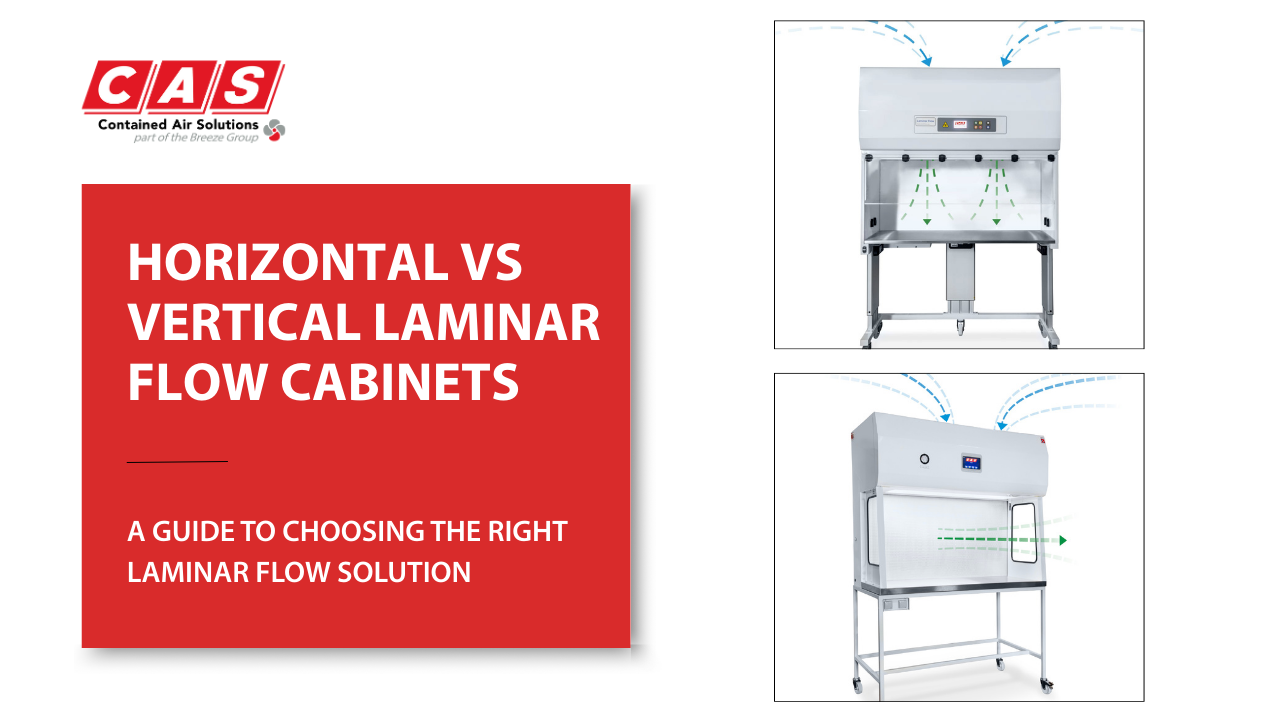
What is a Laminar Flow Cabinet? L aminar flow cabinets are widely used to create controlled, particle free conditions for sensitive work. One of the [...]

Biosafety Cabinets, Laminar Flow Cabinets, Isolators, Downflow Tables…Which One is Right for Your Lab? With so many options available, biological safety cabinets, laminar flow cabinets, [...]

What is a Biological Safety Cabinet (BSC)? Types, Uses & Why They Matter in Modern Labs Laboratory environments, particularly in clinical, pharmaceutical, and research [...]
