
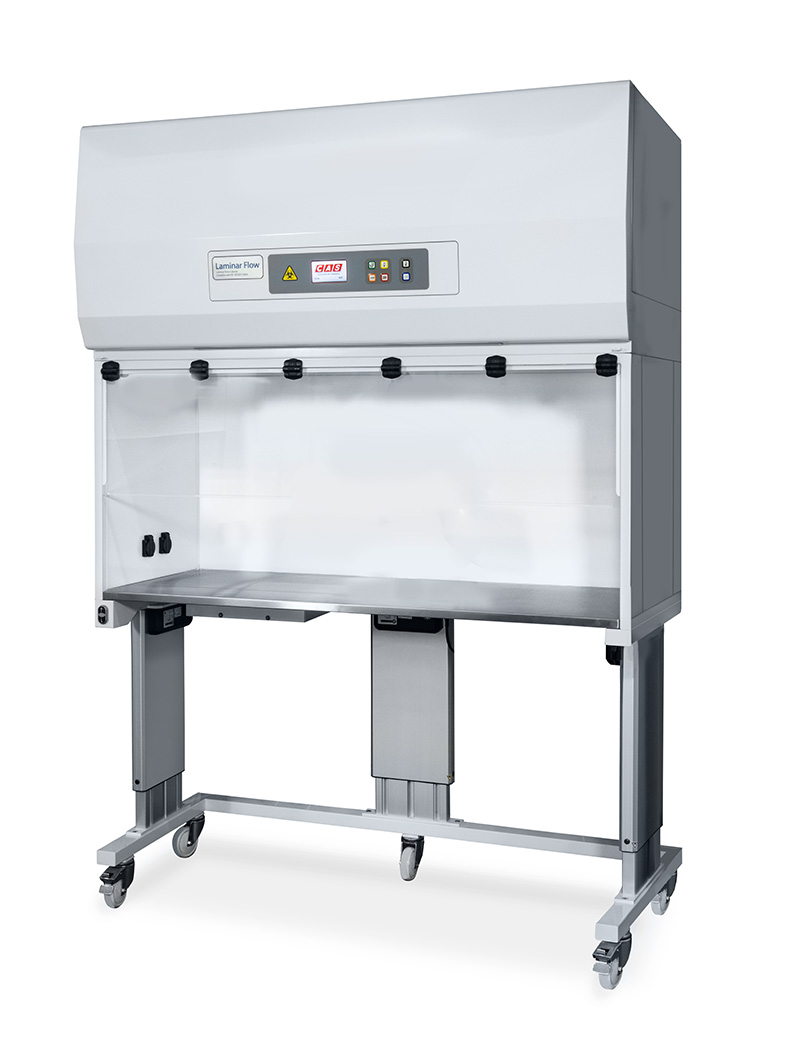


What is a Laminar Flow Cabinet?
aminar flow cabinets are widely used to create controlled, particle free conditions for sensitive work. One of the most common decisions is choosing between a horizontal or vertical airflow pattern. Each approach directs clean air differently, and this can influence how equipment is arranged, how materials are handled and how consistently clean conditions are maintained.
This guide introduces the two airflow patterns and highlights practical points that may help teams understand how each configuration supports different workflows. Final selection should always follow internal assessments and operational requirements.
How Laminar Airflow Supports Clean, Controlled Work
Laminar airflow delivers clean, HEPA filtered air in a steady, single direction. This movement creates a defined clean zone that carries particles away from the work area and helps protect non hazardous sterile materials from contamination. Its purpose is product protection, making it suitable for laboratory, research and technical environments where a clean particle free environment is required for your process.
Horizontal Laminar Flow Cabinets
In our Horizontal Laminar Flow Cabinets, clean air is drawn through a HEPA filter at the rear of the unit and flows across the workspace towards the front opening. The result is a stable clean area along the depth of the cabinet.
Horizontal airflow is often chosen for low profile items or components that benefit from clear, open access to the front of the workspace. Typical applications include electronics work, plate or slide preparation and processes where tools and materials are arranged across a single level.
Keeping the airflow path free from large obstructions supports predictable conditions across the work area. When movements are steady and organised, the clean air pattern remains more stable.
Vertical Laminar Flow Cabinets
Vertical Laminar Flow Cabinets direct clean air downwards from a ceiling mounted HEPA filter towards the work surface. This downward curtain of air helps move particles away from the central working area.
Vertical airflow is commonly preferred when equipment varies in height or when work is carried out deeper inside the cabinet. It can support tasks involving liquids, stacked consumables or taller items that sit more comfortably under a top mounted filter.
A clear area beneath the filter face promotes a smooth airflow pattern, and steady working movements help maintain a stable clean environment.
Horizontal vs Vertical Laminar Airflow at a Glance
A brief summary can help highlight how these two airflow patterns differ in practice.
- Direction of airflow
Horizontal airflow moves clean air from the rear of the cabinet towards the front. Vertical airflow moves clean air from above the workspace downwards. - Workspace orientation
Horizontal airflow suits low profile items arranged along the depth of the work area. Vertical airflow accommodates materials placed at varied heights or positioned further inside the cabinet. - Handling needs
Horizontal airflow can feel more open for tasks that rely on clear access at the front. Vertical airflow may be preferred when working with taller equipment or during liquid handling.
Factors That May Guide Your Choice
Several practical points can help you understand which airflow pattern may better support your workflow.
- The size, height and shape of the equipment you use
- How materials are typically positioned or handled during work
- The space available on benches or within the room layout
- The sensitivity of the materials being handled
- Operator comfort, reach and preferred working position
These considerations may help frame whether a horizontal or vertical laminar airflow arrangement feels more natural for your process.
Airflow Behaviours to Be Aware Of
A few conditions can affect airflow stability in any laminar airflow cabinet.
- Large objects placed directly in the airflow path can affect the airflow pattern
- Working very close to the front of the cabinet can influence airflow stability
- Quick or repeated movements may disturb the clean air pattern across the work area
Being aware of these behaviours can support more consistent and predictable conditions during routine tasks.
Additional Laminar Flow Options
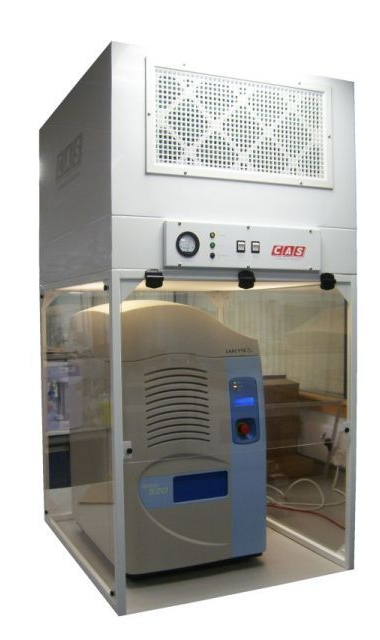
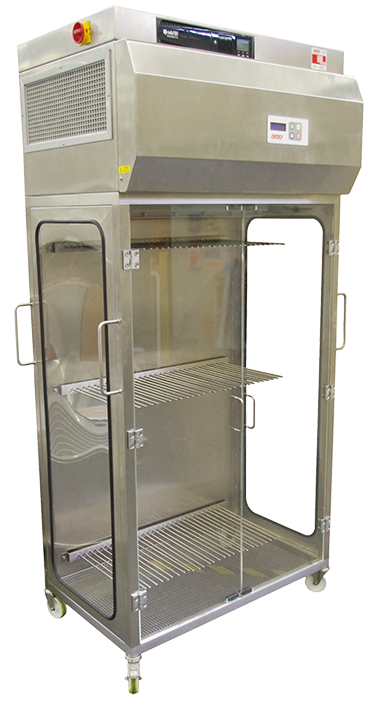
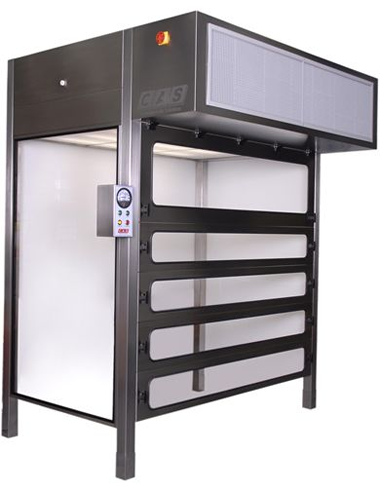
Horizontal and vertical laminar flow cabinets support most clean air applications, but certain workflows benefit from different configurations. CAS also manufactures:
- Hybrid laminar flow systems, combining characteristics of both airflow patterns
- Laminar flow booths, providing walk in clean air environments for larger equipment or extended work
- Localised laminar flow modules, supplying clean air directly over specific processes
- Custom engineered configurations, designed to suit specialist workflows or specific equipment layouts
These options allow teams to shape clean air environments around their own operational needs where standard cabinet formats are not the ideal fit.

Final Thoughts
Understanding how laminar airflow behaves can support more confident decisions when selecting airflow configurations for sensitive tasks. Horizontal and vertical laminar flow cabinets each offer advantages depending on the nature of the work, the size of equipment and the preferred arrangement of the workspace. If you are exploring suitable configurations or considering tailored options, the CAS team can offer a free consultation and a no obligation quote to help you select a solution that supports your process.
Explore Our Laminar Flow Solutions
Laminar Airflow Product Overview
Download the Laminar Airflow Brochure
Other Latest Resources

Biosafety Cabinets, Laminar Flow Cabinets, Isolators, Downflow Tables…Which One is Right for Your Lab? With so many options available, biological safety cabinets, laminar flow cabinets, [...]

How to Work Safely in a Biological Safety Cabinet Biological Safety Cabinets (BSCs), also known as Microbiological Safety Cabinets (MSCs) or Biosafety Cabinets, are essential for anyone working [...]

What is a Biological Safety Cabinet (BSC)? Types, Uses & Why They Matter in Modern Labs Laboratory environments, particularly in clinical, pharmaceutical, and research [...]
